Daily Life Activities: What They Are and Why They Matter for an Active, Fulfilling Lifestyle
Wake up, take a shower, drink some coffee, go to work: that or a similar version was likely your daily routine for most of your adult life. Now that you’re retired, you may have more freedom during the day to golf or see a matinée. However, you might be surprised to learn that your daily habits are a vital part of your overall health.
In fact, these skills and tasks, known as daily life activities, are linked to better physical and mental health as you age. Activities of daily living (ADLs) are the routine chores and duties you manage every day for personal hygiene and self-care. These are the tasks that meet your physical needs and keep you independent, including eating, dressing, bathing, and using the toilet. There are more advanced skills, too, and your ability to manage them can have a significant impact on your lifestyle.
What Are Daily Life Activities? (In Real-World Terms)
Activities of daily life fall into three categories: basic, instrumental, and complex. Basic ADLs are the essential personal care tasks of everyday life. These are the day-to-day skills you need to manage your physical needs and maintain independent living.
Basic daily life activities include:
- Bathing and showering
- Getting dressed
- Walking
- Getting in and out of a chair or moving positions
- Using the toilet
- Eating
Instrumental ADLs are the household tasks and skills you need to maintain independence in the community. These duties require organization and more complex thinking and often involve recognizing when you need items or have to take care of the house, and carrying out the process to get or fix them.
Instrumental ADLs typically involve:
- Cooking
- Cleaning and household maintenance
- Medication management
- Driving or planning other transportation
- Shopping and running errands
- Paying bills
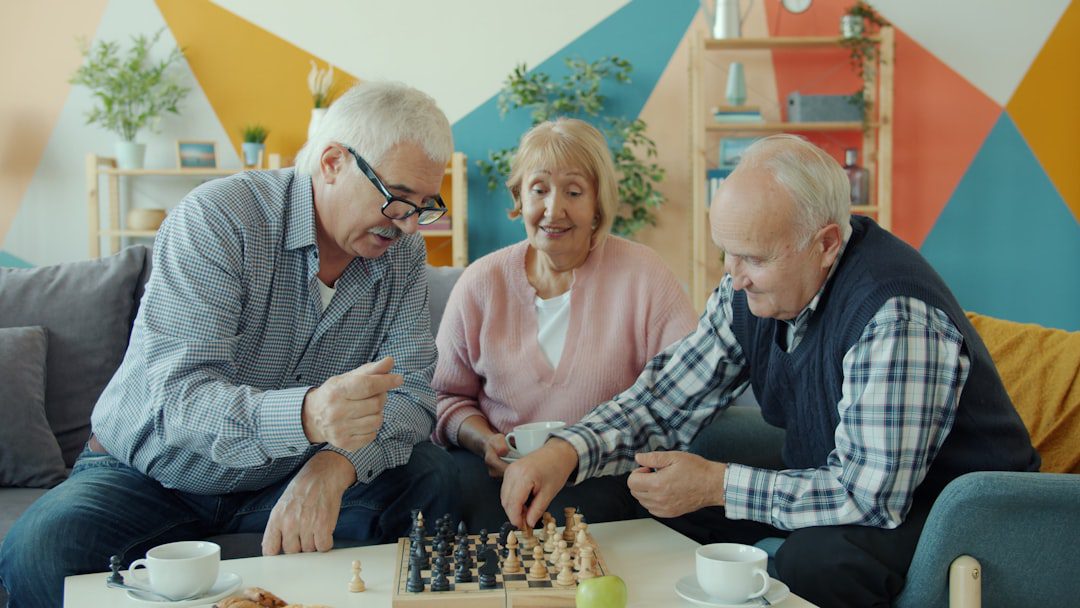
Complex activities of daily living are typically lifestyle activities. These are the advanced skills you practice related to socializing, hobbies or leisure, and self-improvement. These include activities like:
- Attending church or religious services
- Volunteering
- Sewing, knitting, or engaging in other crafts
- Helping in a class or seminar
- Caring for family members
- Talking to friends and family
- Going to social events
These daily routines are all connected. If you’re able to do complex lifestyle activities, you’ll typically manage instrumental and basic tasks with total ease. While these routines are essential for managing your basic needs, they provide structure and stability to your day and create a sense of normalcy and purpose.
Everyday Examples That Shape Your Daily Routine
So, what exactly do these ADLs look like in your daily routine? Well, you might start your morning with a quick shower or bath, followed by coffee, toast, and reading the news. Then, you might take a walk mid-morning or meet some pals for a round of golf, and then head back to lunch for a quick burger on the grill.
In the afternoon, you might relax with a hot tea and a good book or work on one of your paintings. For supper, you might meet your son at his favorite restaurant and then have an early night in to prepare for your dentist appointment tomorrow morning.
Each of these activities is an example of an active daily life that includes basic, instrumental, and complex tasks. Going about your day, enjoying food, getting in some exercise, running errands or keeping appointments, pursuing your passions or hobbies, and meeting up with friends and family all shape your routine and your independence.
Why Daily Life Activities Matter More Than You Think
Independent living and your ability to manage activities of daily living are essential to mental health and well-being, overall physical health, and emotional balance and fulfillment. For instance, trouble with personal hygiene or self-care might cause distress and lead to frustration or a feeling of helplessness.
You may struggle to get out, which in turn may lead to depression or loneliness. You might not exercise as much, which may affect your fitness and lead to falls or trouble walking. Daily life activities and your health are intertwined; as one worsens, the other may, too.
However, studies show that losing an active daily living skill and regaining it through physical recovery or assistive devices improves physical health, mood, and emotional well-being. Additionally, maintaining a consistent routine helps you build confidence in your abilities and provides a sense of control and independence in your daily life. Participating in hobbies and exercise or outings you enjoy also helps you feel happier, cope better with difficult situations, live longer, and feel healthier.
How the Right Support Can Enhance Your Daily Life Activities
When managing daily life activities becomes demanding, assisted living provides the right level of support. Living with assistance simplifies your routine and reduces the inconvenient or ordinary responsibilities that may interfere with your freedom or daily life. It relieves the burden of performing tasks like housekeeping, transportation, or dining, freeing up your time and energy for other life-fulfilling activities.
Assisted living is really about optimizing your lifestyle. You can save yourself time and effort and spend your retirement days doing things that bring you joy.
Creating a Lifestyle That Puts Choice and Comfort First
Retirement is the ultimate time to create a personalized routine and active lifestyle that prioritizes your overall well-being and comfort. Assisted living communities can help you achieve this by providing the right level of support through amenities and services such as dining, laundry, and personal care.
Senior Resource Group (SRG) goes a step further by allowing you to customize your daily activities depending on your needs and wants. Alongside having the option to switch between different levels of care—Independent Living, Assisted Living, and Memory Care (where available)—you can opt for many available activities designed to help you live a healthier, safer, and happier life.
Daily Life Activities in a Senior Resource Group Community
Senior Resource Group communities offer an elevated way of living and have reinvented the senior living experience. They provide comfortable, resort-style settings with all-inclusive amenities that adapt to your needs and support your routines.
As employees at SRG take care of cooking, laundry, cleaning, maintenance, and yard work, you can spend less time on chores and more time enjoying your retirement. Attentive services, from restaurant dining to fitness programs, only further elevate the experience by giving you an opportunity to enjoy the wonders of life while forming meaningful connections with others.
Feel your best with wellness programs that enhance your mind, body, and soul, and make new friends through lively and active recreational opportunities. Plus, additional care and support are available through assisted living or memory care, should you need it. Enjoy maintenance-free living that evolves with you through your retirement.
Living Well Starts With How You Spend Your Day
You’ve probably fine-tuned your routine over the years, creating lifelong habits that showcase your preferences. As it turns out, maintaining your routine and staying active is essential to your overall health, wellness, and enjoyment.
Still, fine-tuning your routine in your retirement may be the best part of your experience. The freedom to explore your passions, take up new hobbies, meet new people, or enjoy fine dining without the headache of cooking is the ultimate opportunity to live an active daily life on your own terms.
Senior Resource Group communities offer all of these amenities and more, creating a thoughtfully elevated living experience. Enjoy personalized support when you need it, along with the comfort, convenience, and ease of a beautifully curated lifestyle.
Your new adventure is here, and we’re ready to help you live it fully. Discover more about our communities. Get in touch.