
Foods to Avoid With High Cholesterol: A Heart-Healthy Guide for Seniors
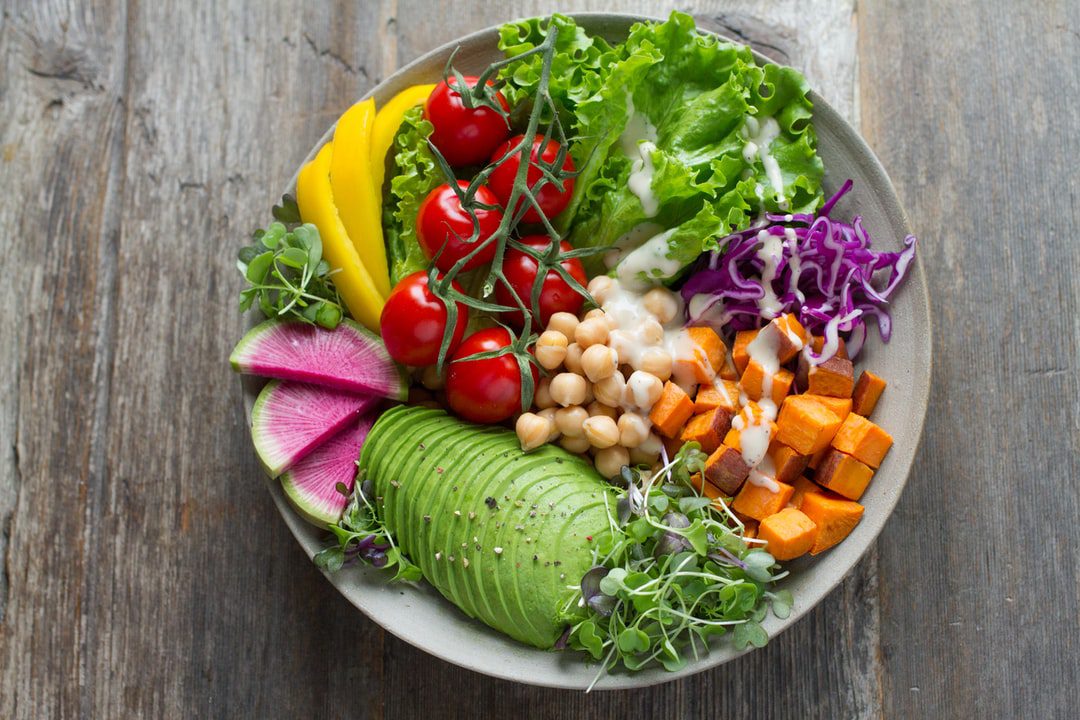
Having a high level of low-density lipoprotein (LDL) cholesterol, or “bad cholesterol,” is a contributing risk factor to heart disease. That’s why it’s so important to keep an eye on your cholesterol numbers. According to Mayo Clinic, cholesterol levels can become more difficult for the body to regulate with age, increasing the risk of heart disease and related conditions.
You can manage your cholesterol through a healthy and varied diet while avoiding foods that can sneak high amounts of LDL cholesterol. A healthy diet for seniors contains balanced macronutrients, essential vitamins and minerals, and foods that support healthy cholesterol levels.
Let’s take a look at some foods to avoid with high cholesterol, as well as some tasty substitutes you can work into your diet that support good heart health and longevity.
Why Heart Health Takes Center Stage in Your Senior Years
High cholesterol, or having too much LDL cholesterol in your blood, increases your chances of serious health problems, like heart disease and stroke. Fortunately, a healthy diet and exercise can help you manage your cholesterol as you get older and prevent heart issues.
There are two types of cholesterol:
- Low-density lipoprotein (LDL) is often referred to as bad cholesterol because it contributes to fat building up in the arteries, a condition called atherosclerosis. This causes the arteries to narrow, which raises the risk of a heart attack and stroke.
- High-density lipoprotein (HDL) is called good cholesterol. It actually carries LDL away from the liver and arteries, so it helps to protect against the very things that too much LDL can cause.
The Main Culprits: High-Saturated Fat Foods To Reconsider
The worst foods for cholesterol are the ones high in saturated fats, also called solid or bad fats. These fats are found in many animal products, like meat, dairy, and eggs, and some oils, like coconut and palm oil.
Red meat is especially high in saturated fats. This includes beef, pork, and lamb, as well as processed meats like bacon and sausage. You don’t have to eliminate them entirely from your diet, but you should opt for leaner cuts, stick to smaller portion sizes, and eat from this group only occasionally.
You can get plenty of protein from lean sources like poultry, eggs, and fish, which can also be a good source of omega-3 fatty acids. You can also skip animal protein and try fiber-rich foods like beans, peas, legumes, and nuts.
Hidden Harms in Prepared Snacks and Fried Favorites
Prepared snacks, like baked goods, snacks, and fried foods, can be tasty but are not the best choices if you’re trying to watch your cholesterol. These foods are often sources of trans fats, which many doctors and health experts say are the worst fats for heart health.
Trans fats are artificial fats created by adding hydrogen to vegetable oils, which then become solid at room temperature. These fats raise your LDL cholesterol while lowering your HDL cholesterol, which can increase your risk of health problems in the future.
Some sneaky sources of trans fats are also prepared bakery items, like cakes, cookies, pastries, and other sweet treats. These foods are traditionally prepared with butter or shortening, but can be made with vegetable oils high in trans fats for cheaper production costs. If you make baked goods at home, you can try swapping applesauce or bananas for butter as heart-healthy substitutes. This way, you can enjoy an occasional treat that better fits as a part of a heart-healthy diet.
Commercially fried foods, like fast food, are often dipped in fryers filled with hydrogenated oils, like palm, kernel, and coconut oil, which are bad for heart health. Not only that, but deep-frying food significantly increases the amount of total fat and calories in food.
Just like with red meat, you don’t have to cut these foods out completely, but just enjoy them sparingly while focusing on fresh foods as part of your regular diet.
Smart Substitutions for a Flavorful, Heart-Healthy Menu
If you have high cholesterol, there are plenty of foods that you can add to your diet. You can also make some swaps that can lower cholesterol while supporting healthy aging for seniors.
- Choose whole-grain pasta, bread, oats, and brown rice over the white, processed versions of these foods.
- Use extra virgin olive oil when cooking instead of butter or less healthy oils like palm oil.
- Substitute fish for red meat a few times a week. At least once a week, add oily fish, which is a good source of omega-3 fatty acids. Some oily fish that you can incorporate are salmon, mackerel, sardines, and trout.
- Beans and legumes are another great swap for meat. They are rich in protein, minerals, and fiber, and keep you feeling fuller for longer.
- Opt for foods and snacks that have unsaturated fats. Some good sources of healthy fats include avocado, nuts, seeds, nut butter, and tahini.
- Eggs can be part of a healthy diet, but try not to exceed one egg per day if you’re trying to watch your cholesterol.
Making simple swaps, like the ones on this list, creates a great blueprint for a heart-healthy diet for seniors. Focus on creating a plate that includes plenty of fruits and veggies, lean proteins, and healthy fats to regulate your cholesterol.
How a Wellness-Focused Community Supports Your Heart Health Goals
A balanced diet is one piece of the healthy aging puzzle. Eating well, getting in movement, and finding social connections and activities that feed your soul are the other components, all of which are the cornerstones of our healthy aging philosophy at SRG.
SRG’s senior living communities have chef-prepared menus and 12-hour/day dining service that makes it easy to eat healthy without sacrificing taste and variety. Our chefs do all the cooking, which means you can focus solely on your health and self-care.
Reach out to SRG today to learn more about our communities and how our residents live full, healthy lives every day!