

Nutrition Calculator for Seniors: Understanding Your Daily Nutritional Needs
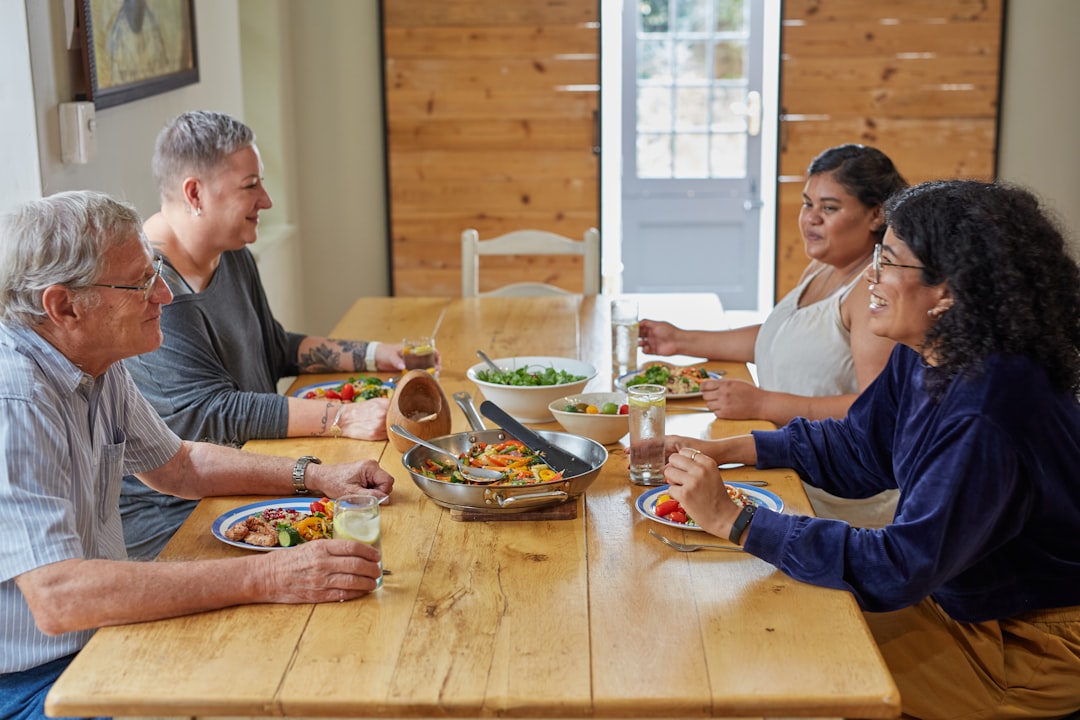
Retirement is every foodie’s dream. You have more time than ever to linger over meals and enjoy your favorite foods. You might work your way through your favorite restaurant’s menu or spend an afternoon cooking with your family.
As you age, though, your nutritional needs can change. You may not need as many calories as you did 10 years ago—or maybe you need more to power all your new fitness activities. And, of course, you still need plenty of protein, fiber, and nutrients to stay healthy.
A meal nutrition calculator will help you figure out what you need each day so you can take the guesswork out of dinner.
Calculating Your Daily Caloric Baseline as an Older Adult
The number of calories you should eat as you age depends on several factors, including weight and activity level.
Use these simple formulas to estimate calorie intake for seniors:
- Sedentary lifestyle: Weight x 13 = Calories per day
- Active lifestyle: Weight x 15 = Calories per day
Suppose a senior weighs 150 pounds and enjoys relaxing hobbies like reading and playing board games. You can estimate their calorie needs with this formula:
150 x 13 = 1,950 calories per day
Their neighbor also weighs 150 pounds, but they go to a fitness class every morning and lift weights three days a week. Here’s how many calories they should aim for:
150 x 15 = 2,250 calories per day
These are only rough estimates. Consult your dietitian or physician to calculate how many calories you need for your unique needs and goals.
Common Hurdles to Meeting Your Daily Nutritional Goals
Knowing what you should eat is only half the equation. You also need to meet those goals every day.
While planning meals can be fun, it’s normal to run into a few roadblocks, such as:
- Medication side effects: Certain medications can affect appetite or even the taste of food. If you notice changes, your doctor may be able to switch your prescription.
- Decreased appetite: Many seniors feel less hungry as you get older. Eating plenty of nutrient-dense foods can help you get more out of smaller portions.
- Meal prep: Retirement gives you the freedom to eat when and how you want, but cooking still takes work.
Moving into a senior living community can make mealtimes easier. You can say goodbye to grocery store lines and enjoy onsite dining options instead.
Plus, you can choose when you want to cook. If you’re craving a favorite childhood meal, you can stay in and make it in your own kitchen. The next night, you might prefer to set down your chopping knife and head to the restaurant.
The Surprising Link Between Social Connection and Appetite
Sharing a meal is one of the most meaningful ways to build community. When you eat with other people, it’s natural to chat about something that happened to you that morning or swap stories. That strengthens your connection and helps you find common ground. For instance, you might realize that you and your neighbor have traveled to the same places.
Social connection can also strongly affect your appetite. People who eat with two or more companions consume more calories and protein, especially from nutrient-rich foods. You might eat a little more than you normally would while listening to someone tell a funny story or recount an adventure.
Dining together is good for your mind, too. People who share meals feel happier and less stressed. As you split an appetizer with friends or try a new dish together, you’ll feel your mood lift.
Socializing also turns mealtime from a routine into something to look forward to. When you know that you can catch up with a friend or spend time with the grandkids, even an ordinary lunch can feel more special.
How Luxury Senior Living Takes the Math Out of Healthy Eating
Chef-led senior dining lets you enjoy nutritious, five-star meals without the hassle of meal prep. The professional culinary team will also handle all the calculations, so you don’t need to worry about whether you’re getting enough nutrients.
These experts work closely with nutritionists to create healthy dishes for people with different needs. For example, they might include plenty of lean proteins for sarcopenia prevention. They can also include lots of fiber for healthy digestion.
Flexible dining is another major perk. Forget about rushing to catch breakfast or eating before you’re actually hungry. With 12-hour dining, you can listen to your body and eat when you feel like it. Then it’s back to whatever you have planned for the day, whether that’s volunteering or catching a showing at the community movie theater.
Embracing a Flavorful Future With Senior Resource Group
It’s normal for your dietary needs to change over time, but you can still enjoy fabulous dishes. A meal nutrition calculator can help you understand what you need at every stage. That way, you can keep enjoying your favorite foods while staying active and energized.
At SRG Senior Living, we know that dining is just one part of healthy aging. Our Zest wellness program nourishes both your body and mind. You’ll find plenty of delicious plant-forward dishes on our FreshZest® menu. Our chefs add fresh options every season, so there’s always something new to try.
And you’ll have plenty of opportunities to make connections with our full calendar of fitness and social activities. Take a cycling class, go dancing, cool off in a water aerobics session, or perfect your yoga poses. Senior living in warmer climates means year-round sunshine, so you can stroll with friends outside for some Vitamin D.
You can also build your mental muscles in lifelong learning seminars on everything from art to literature and science. Along the way, you’re sure to meet plenty of like-minded people. Be sure to invite them to join you for a meal, too.
Contact us to learn more about how SRG can help you enjoy a healthier, flavor-filled retirement.