Meaningful Activities for Elderly Adults That Support Healthy Aging
Aging well includes staying active at every stage to protect your health and maintain independence. Whether you’re a senior looking to expand your hobbies or you’re looking for ways to encourage your loved one’s active aging, a mix of cognitive, physical, and artistic activities is key to healthy aging.
Igniting the Mind Through Lifelong Learning and Cognitive Play
When we think of staying active as a senior, we often think of physical movement. But cognitive wellness is an equally important part of active aging for seniors. Some of the most meaningful pursuits engage the brain and keep the mind sharp.
As we age, our brains naturally lose some neuroplasticity. This can make it harder to learn new skills or information and can contribute to the decline in cognitive health often associated with aging.
Fortunately, there are ways to keep the brain active and protect neuroplasticity and cognitive skills. By engaging in mentally challenging tasks, people of all ages can encourage their brains to continue building and protecting neurological pathways.
Learning a new language is a good way to keep memory and linguistic skills sharp. Completing puzzles or building models trains our visuospatial skills. Playing strategy games, both tabletop and video, keeps the problem-solving and working memory parts of our brains in shape, and helps maintain cognitive flexibility as board conditions change rapidly. Even younger people can benefit long-term from incorporating cognitive health activities into their routine early on.
By strengthening and reinforcing these pathways, seniors can retain more mental acuity as they age. Think of it like an exercise routine for your cognitive health. The more you train, the stronger your brain can get.
Prioritizing Vitality With Movement That Feels Good
Staying physically active doesn’t have to mean climbing mountains or running marathons. Gentle, low-impact movement and exercise can go a long way toward maintaining physical fitness, supporting overall well-being, and preserving independence as we age.
Regular physical activity for seniors is much easier to incorporate into everyday life than people think. Something as simple as walking to and from a neighbor’s house or around the community can go a long way toward keeping active. Swimming is a low-impact but vigorous exercise that many people find relaxing. You can add weightlifting to your daily routine with a small set of home weights. Just do a few reps while watching television, waiting for food to cook, or reading a book.
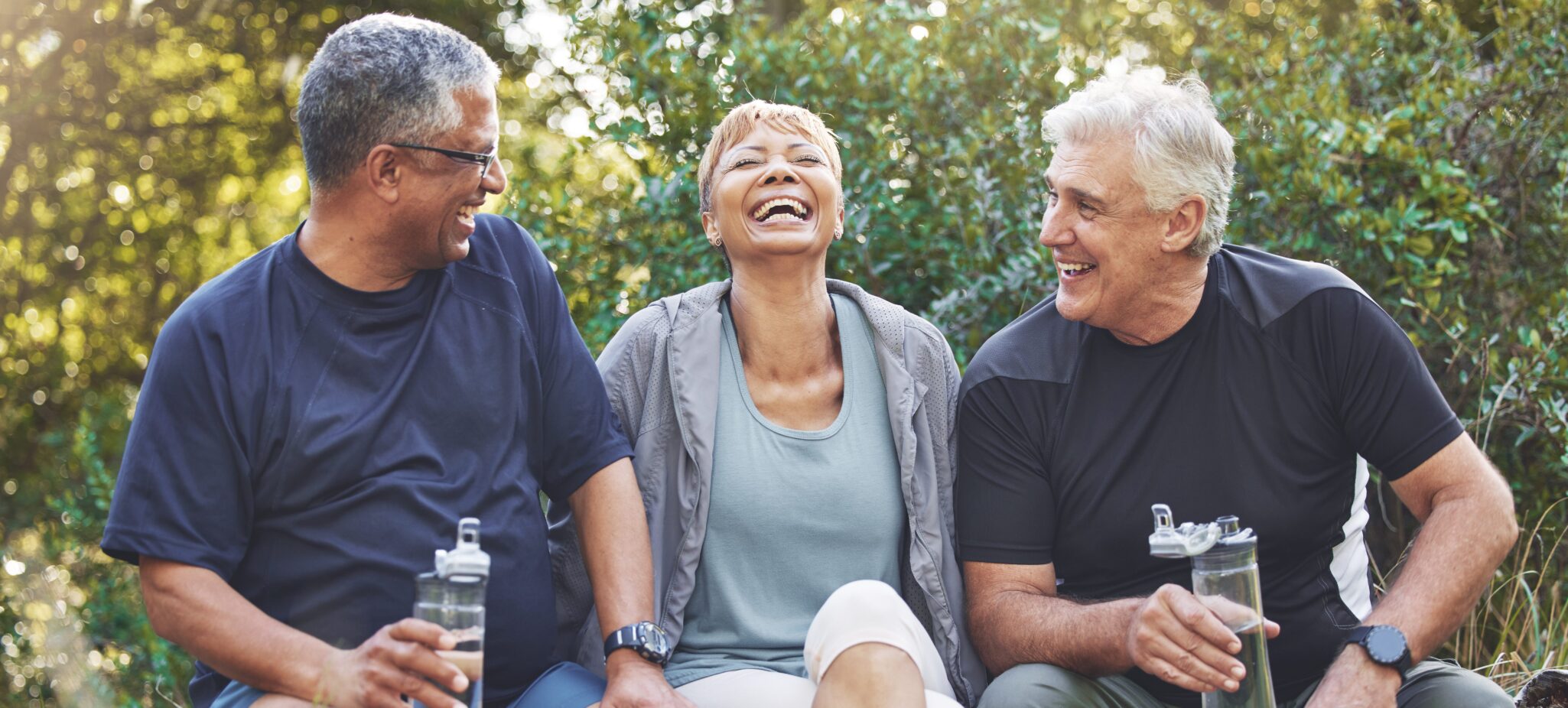
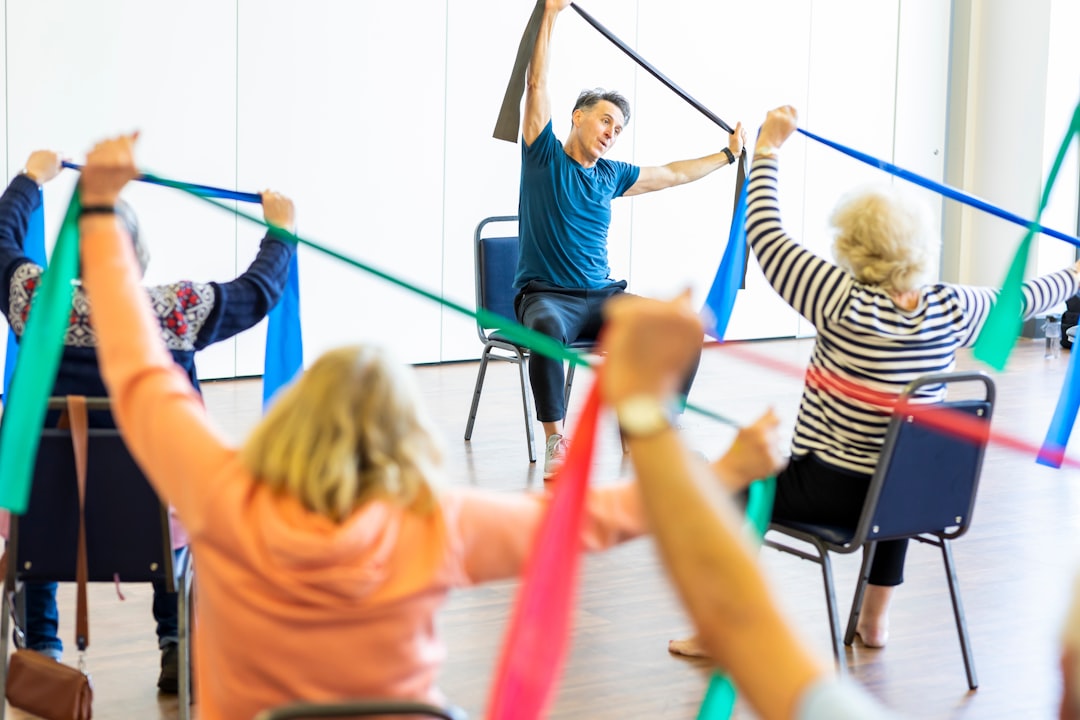
Of course, working out doesn’t have to be strictly solo. Group activities add a layer of social accountability that often makes maintaining an exercise routine easier. Classes such as water aerobics or yoga offer cardio and strength training that’s easy on aging joints. Even joining a simple walking club keeps you moving and offers opportunities for social engagement while you exercise.
Nurturing the Soul With Creative and Artistic Expression
Mental wellness is just as important as physical fitness for seniors hoping to age gracefully. Creative expression offers many therapeutic benefits, including lower stress levels, better memory support, and emotional regulation.
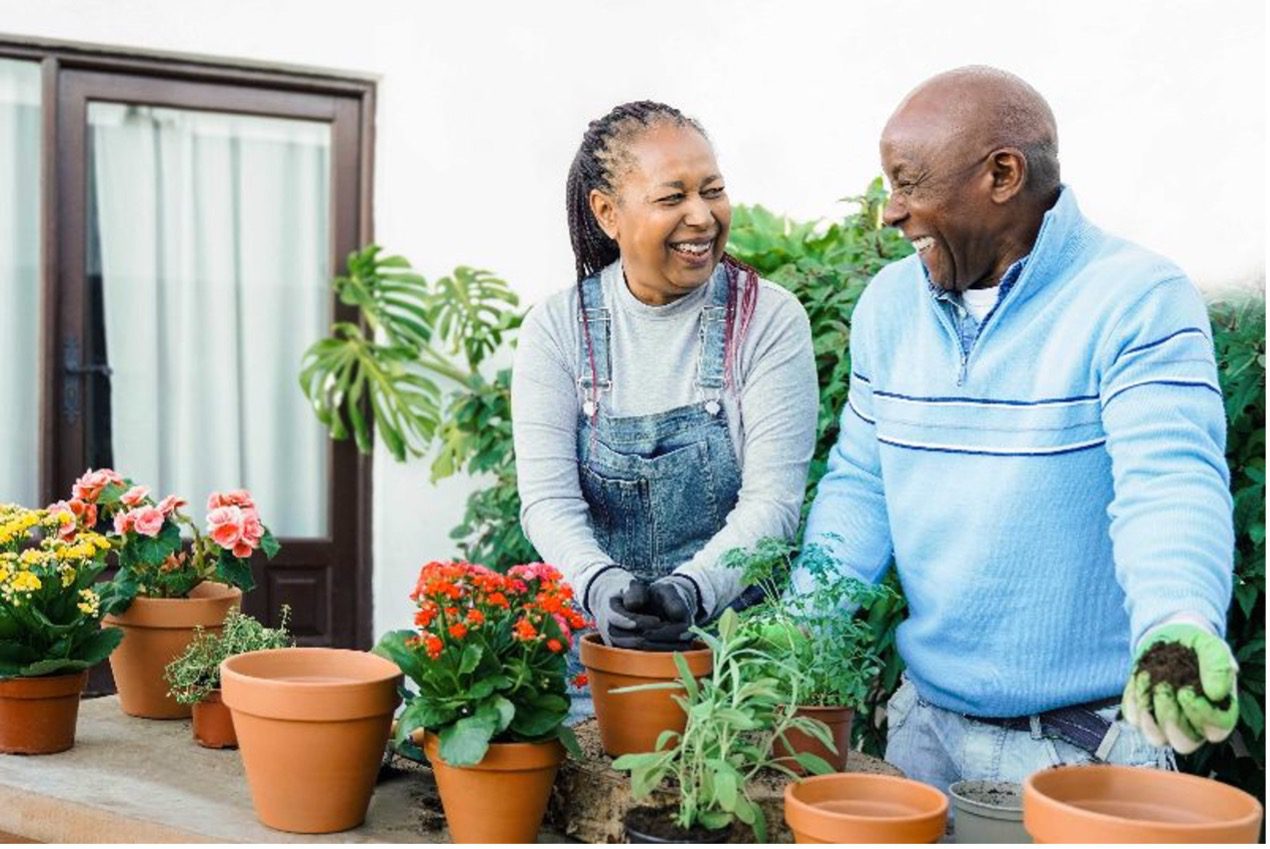
Pursuing interests and hobbies gives seniors something to enjoy and look forward to in retirement, when work no longer occupies a third of the day. Artistic expression can take many forms, including painting classes, music therapy, gardening, community theater, and even fiber arts like crochet or embroidery.
Creative activities also have physical benefits. Many art forms, such as painting, drawing, or knitting, help refine and maintain fine motor skills. Music, dance, or theater performance can train balance and coordination.
Explore hobbies that remind you of the arts you’ve appreciated in your life and try your hand at emulating them. Don’t be afraid to try and fail at a variety of activities until you find one you want to stick with and work on. You may not be a pro right away, but practicing the skill offers both the satisfaction of achievement and the physical and mental benefits of learning and training new abilities.
The Advantage of Structured Wellness Programming in Senior Living
Joining a senior living community is a great way for seniors to stay active, especially socially. A key factor is the abundance of structured wellness programming senior communities provide. On any day of the week, residents can often find group exercise classes, hobby clubs, unique social events, and other activities to keep them mentally and physically fit. Professional coordinators plan a diverse calendar of events that cater to different levels of interest, comfort, skill, and mobility, offering plenty of opportunities for seniors to engage socially.
While physical, creative, and intellectual activities can be done solo, adding a social element can make them more enjoyable and easier to stick with, especially when trying something new. Groups, classes, and clubs provide opportunities to make new friends or exchange tips and tricks. Regularly scheduled group activities also carve out nonnegotiable space in your schedule. It’s much harder to procrastinate or give up if a group of friends expects you at a certain time.
Community-based senior wellness programs also eliminate a major barrier to staying active for many seniors: the commute. Traveling sometimes miles to and from home to engage in active social and physical activities can be exhausting. It’s easy to have one bad day, decide it’s not worth the hassle, and let the habit break. But when your painting class is three buildings away, or your walking group passes in front of your home, it’s much easier to stick with activities even if you’re tired or don’t feel like participating.
Choosing the Right Mix of Activities for Healthy Aging
Whether you’re planning your own daily schedule or helping choose activities for an elderly parent, there’s no secret formula that’s perfect for everyone. The best way to decide what activities are right is to look for a combination of variety, accessibility, and social connection. The idea is to create a well-rounded schedule that’s tailored to individual needs.
For example, a physically active senior with limited creative experience may combine daily neighborhood jogs, a weekly beginner painting class, and a language-learning club or class. Someone with more physical limitations may attend weekly water aerobics or join a gardening club. In contrast, someone craftier may lean into more complex artistic endeavors like crochet or learning a musical instrument while taking nature hikes for inspiration.
There is no right or wrong way to stay active. Choose a holistic mix of hobbies that engage the mind, body, and soul. The most important thing is to choose activities you enjoy and want to return to over and over.
Finding Your Path to a More Vibrant Lifestyle With SRG
The key to maintaining a positive quality of life for seniors is staying active. By engaging in social activities that nourish the mind, body, and soul, seniors can build a routine that carries them through retirement.
At Senior Resource Group (SRG), we’re dedicated to providing senior living communities that go beyond routine care to help seniors thrive. Our communities offer a vibrant social schedule with a wide variety of activities to support cognitive, physical, and emotional health. Contact us to learn how our communities can support you or a loved one through active aging.