5 Simple Balance Exercises for Seniors to Improve Stability and Prevent Falls
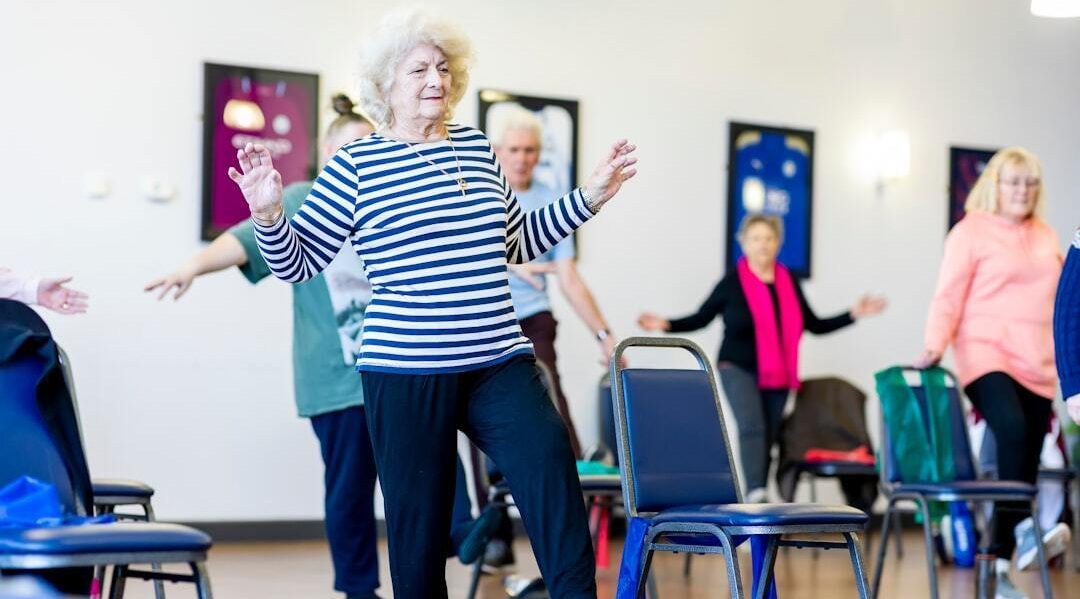
One of the most important facets of senior wellness is core stability. Proper stability and balance help prevent falls and protect mobility, improving the quality of life for many years. Adding some simple balancing exercises for seniors to your daily routine is a great way to improve your stability and maintain an active lifestyle.
The Foundations of a Stable Stance
Many people think that keeping your balance is all in your feet and legs. But while leg strength is important for balance, the true key to stability lies in your core muscles. Engaging your core allows you to make micro adjustments in your spine, hips, and pelvis that keep your torso centered over your legs.
This is why improving your core stability is one of the key components of maintaining your balance. Some of the top core-stabilizing fall prevention exercises for seniors include:
- Single-leg stands
- Seated marches
- Heel-to-toe walks
- Side leg raises
- Rock the boat
Additionally, incorporating some gentle standing stretches into your routine can improve flexibility and muscle control, further enhancing your balance.
5 Balance Exercises You Can Do Practically Anywhere
Strengthening your core and leg muscles doesn’t require an expensive gym membership or bulky equipment. Physical activity for seniors can be as simple as following a few easy stability training exercises you can do anywhere. They require no additional equipment, and a few minutes per day is all you need to improve your strength and mobility. Be sure to keep a chair or counter nearby in case you wobble, especially when starting a new routine.
Single-Leg Stands and Seated Marches for Leg Strength
One of the most important parts of maintaining your balance is improving your coordination. Exercises that engage both the brain and muscles, forcing them to compensate for uneven stances while strengthening stabilizers such as the spine, hips, knees, and ankles, train your body to handle the micro adjustments needed to stay upright.
1. Single-Leg Stands
One of the best exercises for improving coordination is the single-leg stand. By shifting your balance to one side or the other, you train your muscles and brain to compensate, which in turn will help you to navigate uneven terrain more easily.
To perform a single-leg stand, stand upright on a stable surface, such as a tile or hardwood floor. Carefully shift your weight to one foot, slowly lifting the other from the floor. Try to hold the pose for about thirty seconds. Gently return your foot to the floor and repeat the exercise on the other side.
Don’t be afraid to use a balance aid such as a countertop, wall, or sturdy chair until you build up enough strength to go without it. Remember that it’s better to modify an exercise to fit your current ability than to risk a fall. That’s exactly what we’re trying to prevent, after all.
2. Seated Marches
Seated marches are a great coordination and mobility exercise for seniors, stretching and stabilizing the hip flexors and engaging the core. Start your seated marches by finding a comfortable chair, ideally without armrests, for the most freedom of movement. Sit up with your back straight and both feet flat on the floor. Slowly raise one knee toward your chest as high as you can. Then, lower your foot back to the floor and repeat with the other leg. Try to do this for 1-2 minutes at a time, aiming for around 15 lifts per side.
It’s alright if you can only lift your leg a few inches at first, or if you can only do a few reps. The more you do the exercise, the more mobile those joints will become and the stronger your leg muscles will get. Before you know it, you’ll be high-stepping like a majorette!
Dynamic Movements for Real-World Stability
The exercises that improve balance the most focus on functional movement and practical stability. These exercises build core strength for seniors using the same muscles needed for walking and standing in daily life.
3. Heel-to-Toe Walks
If you’ve ever seen an acrobat walk a tightrope, you’ve seen a heel-to-toe walk. Although they make it look easy, it actually requires a lot of coordination and stability. Practicing this skill strengthens your ankle and leg muscles to build a firm foundation and keep you from wobbling.
This exercise can be done on any clear, flat floor space. When starting out, try to choose a location near a counter or wall, or ask a friend to walk alongside you, so that you can reach out for support if needed. Stand up straight, placing one foot directly in front of the other, with the heel of the front foot touching the toe of the back foot. As you step forward, position the new front foot the same way, heel-to-toe, keeping your eyes forward and maintaining a straight line. Aim for around 10-30 seconds per session.
4. Side Leg Raises
Side leg raises can be done either lying down or standing, depending on your comfort level and goals. Doing the exercise while lying down is best for improving strength and stability, especially when starting your new routine. Lie on your side on a comfortable yet stable surface, such as a firm mattress, sofa, or cushioned mat on the floor. Keep your body in a straight line, fully extending both legs, or bending your lower knee to add stability.
Once comfortable, slowly lift the top leg, aiming for about a 45º angle. Lift with your heel rather than your hip for the best results. Hold the pose for a few seconds, then bring the leg back down. Repeat the exercise about 10-15 times, keeping the muscles engaged to strengthen them faster and more effectively. Roll onto your other side and repeat.
Standing side leg raises help improve your functional balance. Stand up straight with both feet flat on the floor. Keep a chair or counter nearby when starting out in case you lose your balance. Slowly raise one leg to the side, engaging your core and resisting the urge to lean your torso to compensate. Lower the foot back to the floor, repeat 10-15 times, and then switch sides.
Gentle Rhythms To Find Your Center
Gentle rhythmic movements and slow stretching both improve balance and stability and benefit general health and wellness in seniors.
5. Rock the Boat
Rock the Boat is a rhythmic exercise similar to single-leg stands. Stand up tall with both feet on the floor, holding onto the back of a chair or countertop, if needed for extra stability. As smoothly as you can, shift your weight to one leg while raising the other slowly. Hold the pose for a few seconds, then lower the leg, shift your weight onto it, and raise your other leg, aiming for one fluid movement. Rock back and forth in this way for 5-10 reps, being careful not to transition too quickly and overbalance.
Incorporating gentle stretches can also help to loosen tight muscles, improve joint mobility, and enhance mental health through relaxation. Consider attending a class on yoga for seniors, or simply take a moment to feel where the tension in your body is and try to release it.
Building a Consistent Routine for Long-Term Results
The number one balance exercise for seniors isn’t a single movement; it’s consistency. Even if you only do one or two exercises for a few minutes a day, they can still help to strengthen the core and leg muscles that help you keep your balance.
Try to schedule your exercise routine around your existing habits. For example, do some single-leg stands while brushing your teeth, or incorporate some seated marches while watching TV. If you build your exercises into the things you already do, it will be easier to find the time and remember to do them regularly.
Find Your Rhythm in a Community Built for Wellness
Senior Resource Group (SRG) Senor Living is built around wellness. Our communities prioritize residents’ health and wellness by offering fitness programs, wellness education, and other resources that make staying active fun and engaging, all through our signature Zest wellness program.
With Senior Resource Group, you can enjoy the benefits of improved physical and mental health while connecting with your friends and neighbors. Contact us for more information or schedule a private tour of one of our CARF-accredited luxury senior living communities.