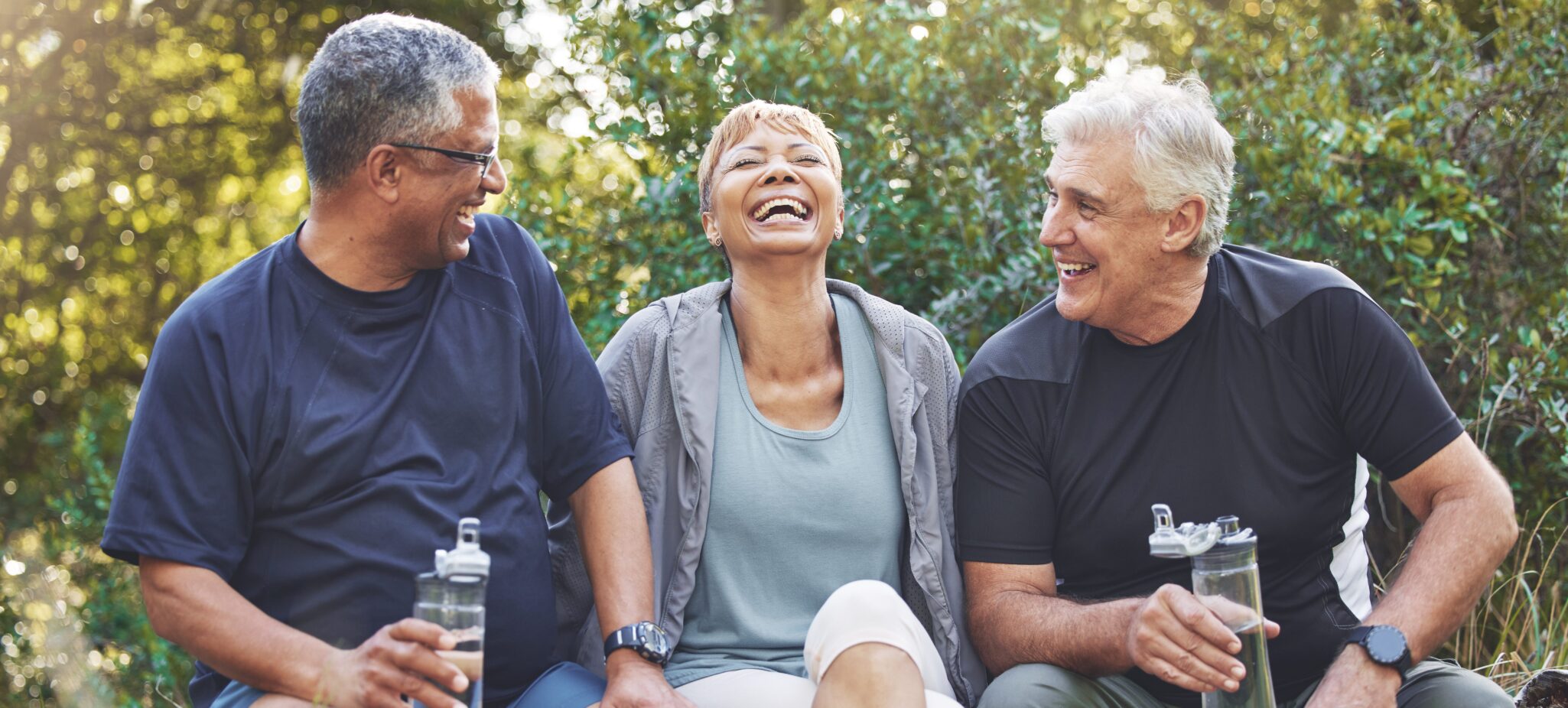
Importance of Intergenerational Connection for Seniors
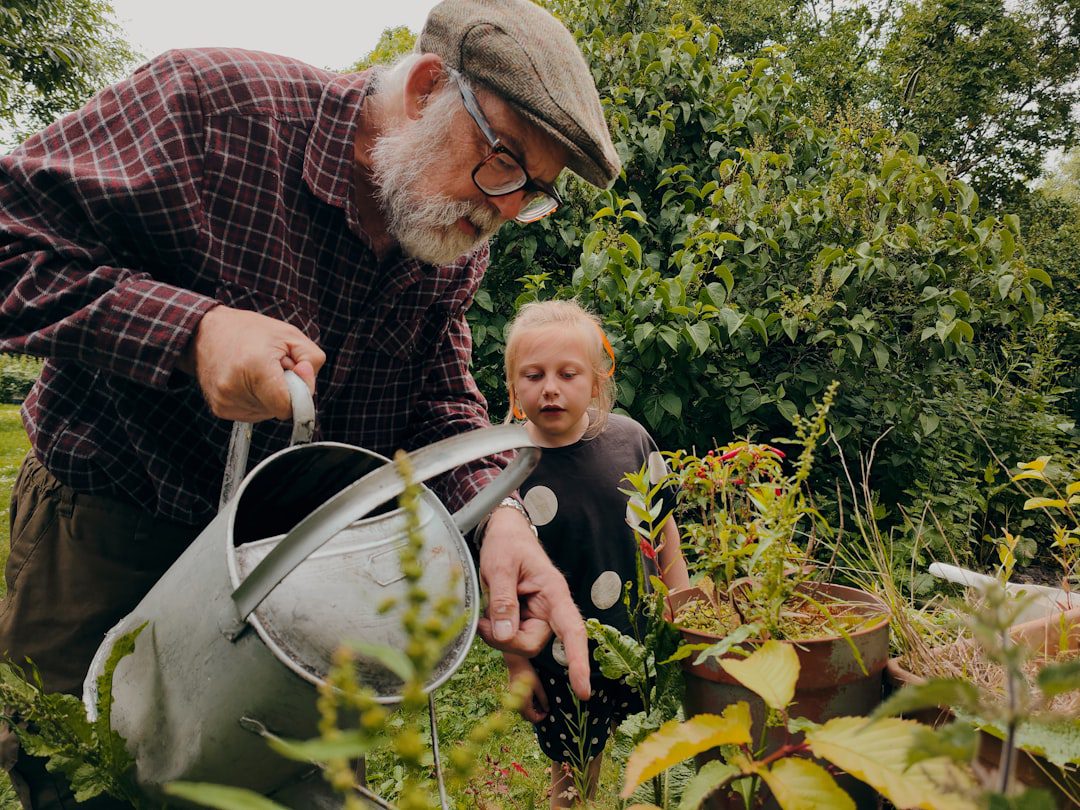
Most people form intergenerational connections throughout their lives. Children interact with older family members and teachers, while adults build relationships with colleagues and friends from different generations. However, seniors often lose these valuable connections due to retirement, health challenges, or relocation.
These life changes can lead many older adults to focus on socializing with peers their age. For instance, a senior who moves into an independent living community might befriend other residents. While these connections are valuable, older adults who only socialize with one age group can miss the benefits of intergenerational connections.
Fortunately, many independent living communities offer intergenerational activities for seniors. Discover the advantages of these programs and learn about opportunities to form meaningful connections with different age groups.
The Power of Intergenerational Connections for Seniors
Some people assume that intergenerational connections are unnecessary or trivial. After all, many seniors already have thriving social lives among their peers. They may wonder if they truly need to engage with younger generations. However, these connections are key to healthy aging.
Cross-generational interactions can make a big difference in mental and social health. These connections allow older adults to expand their social networks so they have more people to rely on for support. For instance, a senior could vent to a younger friend about financial struggles or a canceled vacation. This type of support helps reduce the risk of depression, loneliness, and social isolation for older adults.
Sharing knowledge with younger people can also provide a renewed sense of fulfillment and purpose. Older adults may pass on their wisdom by mentoring young professionals, advising students, or volunteering with nonprofit organizations. These activities help older adults stay engaged with their communities and make a positive impact.
The benefits of intergenerational connections extend to physical health. Building relationships with younger people often involves activities that promote movement. For example, an older adult could participate in an intergenerational fitness class or volunteer at a community garden. These intergenerational programs exercise their minds and bodies at the same time, leading to greater overall well-being.
Build Connections With Community Staff
Independent living communities offer ample opportunities to develop intergenerational connections. They typically have large staffs with people from diverse age groups and backgrounds. For example, many communities employ high school and college students as dining and healthcare staff.
Seniors can start building intergenerational connections by informally interacting with these community staff. For example, they could discuss the news with the dining staff during breakfast and chat with a nurse while receiving on-site medical care. These everyday encounters can foster a sense of belonging and blossom into deeper connections.
Independent living communities also bring seniors and community staff together for organized activities. Older adults can participate in fitness classes, art workshops, and other events led by younger staff. They might also mingle at social gatherings and collaborate on community projects. These structured events help seniors form meaningful connections with staff and promote a more inclusive community.
Participate in Intergenerational Programs for Seniors
Developing relationships with younger people can feel daunting, especially for seniors who don’t encounter other generations in their daily lives. Senior living communities help older adults step out of their comfort zones with intergenerational programming. These initiatives bring people of all ages together to participate in fulfilling activities.
Here are a few examples of intergenerational programs for seniors:
- All-ages concerts and dances
- Collaborative community service projects with local schools or Boy Scout troops
- Community book clubs
- Community gardens
- Fitness classes for all ages
- Holiday events for grandparents and their grandchildren
These programs bridge generational divides by allowing older adults to socialize with people with similar interests and experiences. For example, an avid gardener could swap vegetable seeds and planting tips with other members of a community garden.
Embrace Lifelong Learning Opportunities
Going back to school is one of the best ways to connect with young people. Lifelong learning programs enable older adults to return to the classroom and engage with students of all ages.
Many colleges offer discounted or free courses for seniors. These classes provide the perfect opportunity to exchange knowledge and collaborate with younger generations. Older students can contribute to group projects, mentor younger learners, and participate in lively class discussions. These interactions promote cognitive health for seniors and enrich the learning experience by introducing diverse perspectives.
Volunteer in the Community
Community organizations bring diverse groups of people together to work toward common goals. Volunteering for these groups allows older adults to participate in collaborative activities and share their expertise.
There are many types of volunteer opportunities for seniors, including:
- Assisting with school field days and fundraisers
- Distributing meals at food banks
- Fostering pets for animal shelters
- Going back-to-school shopping with children in need
- Leading educational events at local parks
- Planning events for local arts organizations or museums
- Protecting native habitats with conservation groups
These activities enable seniors to form intergenerational friendships with people who care about the same causes. They can also significantly impact overall well-being. According to a 2021 study, older adults who volunteer at least 100 hours per week have a reduced risk of mortality and depression. They also have a greater sense of purpose and a more optimistic outlook than seniors who don’t volunteer.
Provide Mentorship
Seniors have a lifetime’s worth of knowledge and experience. Mentoring allows them to pass on this wisdom while forming valuable connections with younger people — often learning a thing or two in return.
Many schools have intergenerational tutoring programs that pair seniors with students who need extra support. Older adults can help young learners develop healthy study habits and time management skills. They may also provide tutoring for specific subjects like reading and math. An hour or two of dedicated tutoring per week could have a huge impact on a student’s academic performance.
Hobby groups also provide intergenerational mentorship opportunities. Seniors can share their knowledge by leading workshops and teaching skills. For instance, an experienced hiker could show younger enthusiasts how to navigate with a compass and identify local plants. This mentorship lets people of all ages bond over shared passions and share useful tips.
Intergenerational Activities at Independent Living Communities
Moving into an independent living community may seem counterintuitive to people who want to engage with different age groups. However, these communities often offer many activities designed to help residents build connections across generations.
Resident connections are a top priority at SRG Senior Living. We provide many opportunities for older adults to develop fulfilling relationships with staff, their families, and community members. For instance, our technology platform allows residents to share their interests and experiences with their loved ones and neighbors.
Our innovative Zest Wellness program also promotes intergenerational connections. Residents participate in many community-centric events, such as mentoring school classes and volunteering for nonprofit organizations. Additionally, they form close connections with our friendly community staff through cooking demonstrations, fitness classes, and countless other activities. These programs keep older adults active and immersed in vibrant communities.
Experience the Benefits of Intergenerational Connections
Intergenerational connections help older adults enjoy healthier and more fulfilling lives. These relationships can combat feelings of loneliness by enabling seniors to build thriving support networks.
Cross-generational bonds also provide cognitive enrichment by allowing older adults to learn about the experiences of younger generations and the latest trends. Seniors may find themselves experimenting with new technologies or even grooving to viral dances from TikTok, a popular, video-based social media platform.
Contact Senior Resource Group to learn how we foster meaningful relationships across generations and promote healthy aging. You can also explore our luxurious communities to find the right home for you or your loved one.