
High Protein Meal Plan for Seniors: Strength & Energy Guide
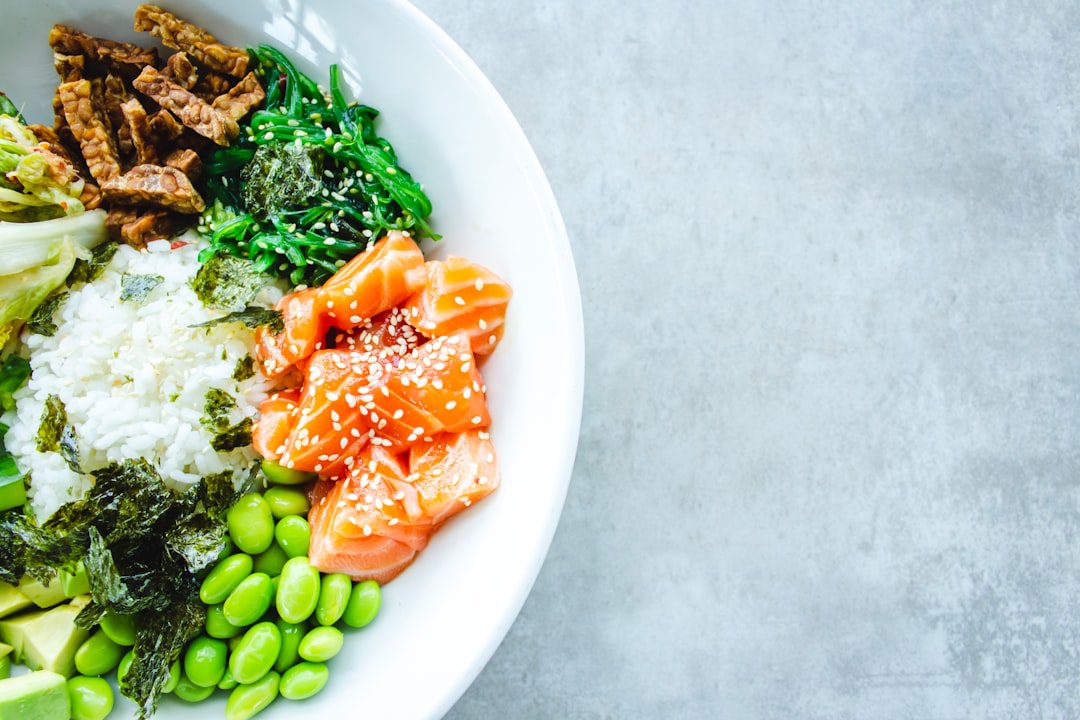
Protein is an essential macronutrient our bodies need to maintain muscle mass, bone strength, and repair tissue. Protein, along with fats and carbs, is one of the three macros that your body needs to maintain optimal health. Even though getting enough protein is important at any stage of life, it’s especially important for adults as they age to stay vibrant and healthy.
Creating a high-protein meal plan for seniors that’s rich in protein doesn’t have to be overly complicated, as you can get high-quality protein from a number of sources. By finding a few favorites, you can create nourishing meals that deliver on both nutrition and flavor.
Why Protein Is the Secret Ingredient for Thriving as You Age
Our bodies change as we age, so our nutritional needs change in response. As adults get older, it becomes harder to gain and maintain muscle mass. In fact, adults who don’t do regular strength training exercises may lose between 4 and 6 pounds of muscle per decade. This muscle loss is called sarcopenia.
To combat this muscle loss, add a bit of strength training to your routine. Make sure you’re eating a healthy diet for seniors that includes enough protein to maintain muscle mass, as well. Muscle protein synthesis in senior adults requires higher doses of protein to counteract the natural decline of muscle mass as you age, so your muscles benefit from it even if you’re not actively strength training.
A good protein goal for seniors is between 1 and 1.2 grams per kilogram of body weight. If you weigh 70 kilograms (about 155 pounds), for example, multiply 70 by 1.2 to get 84 grams of protein you should aim to eat each day. This is great for sarcopenia prevention so you can continue to maintain strong, healthy muscles as you age.
Eating healthy and engaging in physical activity are essential parts of wellness. Maintaining good physical health may carry over into good mental health, too, as getting enough sleep and physical exercise are linked to helping with some mental health disorders. Not only that, but regular physical activity can release hormones in the brain that give your mood a natural boost.
Top Nutrient-Dense Food Choices for Your High-Protein Meal Plan
There are plenty of fresh, delicious foods that can be part of a high-protein diet for over 60. Here are some satisfying protein sources you can add to your meal plan.
Animal-based sources:
- Turkey, chicken, or other poultry, especially lean white meat
- Eggs
- Greek yogurt
- Low-fat dairy
- Oily fish like salmon, sardines, or mackerel
- Flaky fish, like cod, sea bass, or sea bream
- Lean beef, pork, or lamb, on occasion
A varied diet includes eating protein from plant sources, too. You can get high-quality protein from:
- Beans, peas, and lentils
- Soy milk or yogurt
- Tofu
- Peanut butter or other nut butters
- Nuts and seeds
- Whole grains, like quinoa and oatmeal
The great news is you can try a variety of protein sources to discover what you like best. Aim to have at least one source of protein per meal to meet your daily intake goal.
A Sample Day: Putting High-Protein Nutrition into Practice
Let’s look at a sample menu that includes a variety of protein sources and balanced nutrition to support overall senior health. There are a couple of options for each meal to give you an idea of what different days might look like.
Breakfast:
- 2 hard-boiled eggs on whole-grain toast with avocado; fruit on the side
- Greek yogurt with fruit and low-sugar granola
- Oatmeal with a drizzle of nut butter and fruit on top
Lunch:
- Grilled chicken or turkey breast with quinoa and veggies on the side
- Tuna and avocado salad on whole wheat bread or in a pita
- Chickpea and barley salad mixed with chopped veggies
Dinner:
- Baked salmon with quinoa or bulgur and veggies
- Black bean tacos with salsa and guacamole
- Spaghetti bolognese with veggies grated into the sauce, like carrot and zucchini. You can use ground meat as the base of the sauce, or use a plant-based source, like lentils or crumbled tofu, for a similar texture.
Building a healthy plate should look something like this. Half of your plate should be veggies, or a mix of fruits and vegetables. One quarter of the plate can be whole grains, like brown rice, quinoa, bulgur, or farro, and the other quarter can be any of the proteins mentioned already. Following a plan like this ensures you get the essential amino acids for elderly mobility found in healthy protein sources.
It is easy to eat well and hit your protein goals with the variety of dining opportunities in independent living. SRG’s senior living communities all feature chef-led menus in restaurant-style dining rooms that offer a mix of choice, balance, and flavor.
Smart Snacks to Fuel Your Energy Between Meals
Snacking with a purpose can help you reach your protein goals while ensuring you eat mindfully. Here are some snacks you can easily have on hand in a senior living community:
- Cottage cheese or Greek yogurt
- Nuts and seeds
- Nut butters that you can pair with fruits, veggies, or whole grain crackers
- String cheese or meat sticks
- Soy nuts
- Protein bars or shakes
Snacking between meals can help keep your hunger at bay. This can help you make smart choices at mealtime since you won’t be overly hungry. A healthy, protein-rich snack is also the perfect fuel to get you through your day with a boost of energy.
Pro Tips for Meeting Your Daily Protein Goals with Ease
If you’re new to tracking protein, here are some tips you can try to make it feel less overwhelming:
- If you have a smaller appetite, don’t force yourself to eat large portions of protein at each meal. Instead, focus on eating smaller portions throughout the day by including snacks or even protein shakes in your daily meal plan.
- Protein timing means working this nutrient into your day at key times. Aim to eat a protein-rich meal within two hours of exercising so your body can use the nutrients to begin muscle tissue repair.
- Don’t overload your protein in a single meal. Instead, make sure each meal has about the same amount of protein to help regulate muscle protein synthesis. Research also shows that having a protein-rich snack before bed can help promote tissue repair while you sleep.
Each SRG senior living community carefully considers chef-prepared senior nutrition options that aim to balance macronutrients and flavor. Residents have an excellent selection of dining options tailored to health and fitness preferences, making it easy and delicious to eat a protein-rich diet.
Experience the Joy of Healthy Dining at Senior Resource Group
When you dine at SRG, you can be confident you’re eating well while enjoying a diverse array of flavors, dishes, and cuisines. Life in an SRG community means you get to enjoy five-star dining, chef-driven menus, and healthy meal plans without any of the pesky chores, like grocery shopping, meal planning, cooking, and washing up. That’s a win any day!
Tasty, nutritious meals are just one part of the equation for aging with grace and vibrancy. To learn more about healthy aging our way, reach out to SRG today and discover the senior living community in your area that’s the perfect fit for you.