
Independent Living vs. Assisted Living: How to Choose the Right Senior Lifestyle
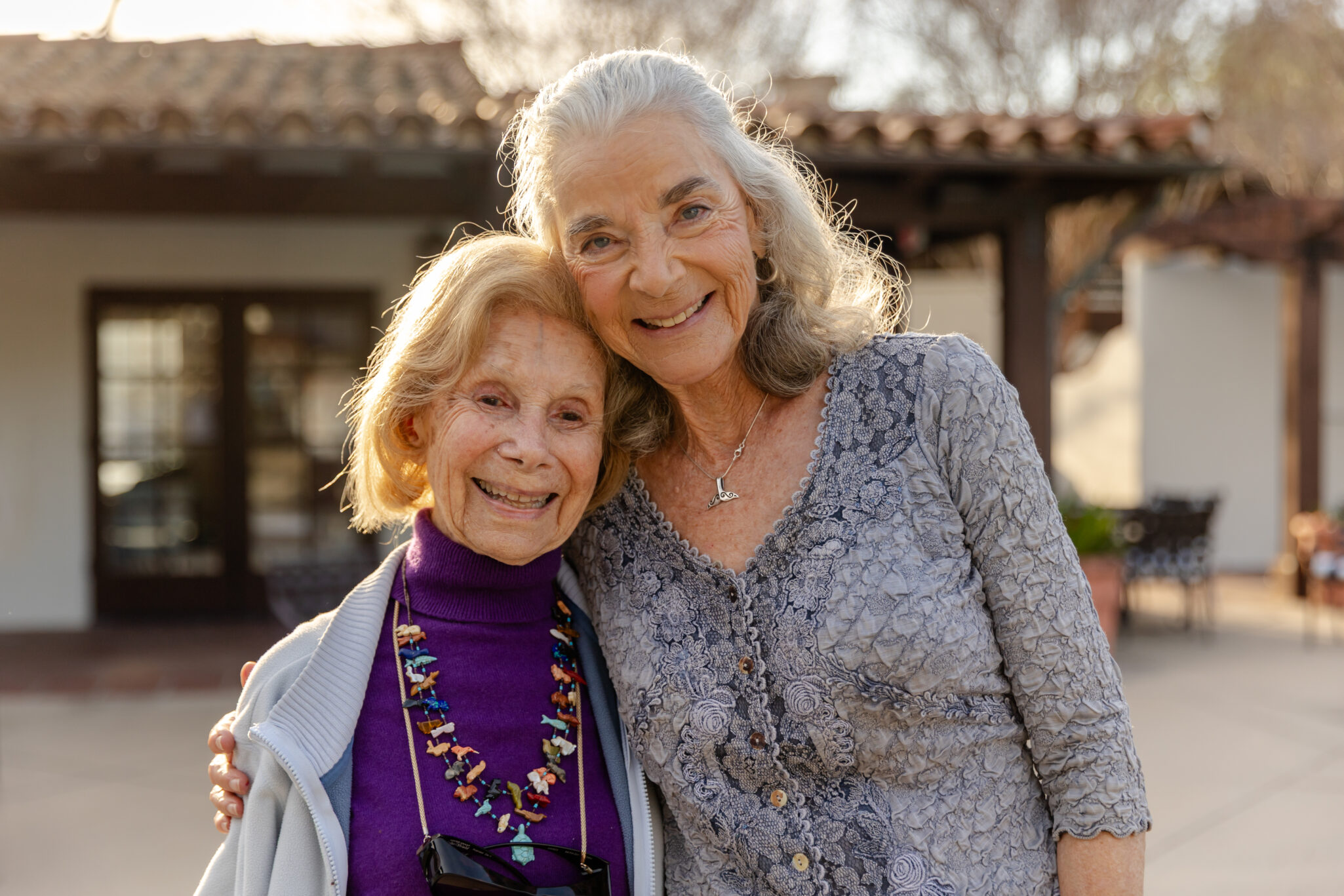
Senior living communities offer many options for caring for their residents, to the point that it can be confusing to determine which is best for you. Each level is tailored to provide the right balance of assistance and independence to help seniors live their best lives. Knowing the difference between independent living vs. assisted living can help you find the senior living situation that’s just right for you or your loved one.
Defining the Core Differences in Support and Style
There are many similarities between independent and assisted living residences. Both offer a selection of convenient amenities, such as high-quality dining services and active lifestyle programs. The primary difference lies in the level of support included with each of these senior living options.
Independent living communities are primarily for active, self-sufficient seniors who are looking to upgrade to maintenance-free living. While the staff covers basic chores like cleaning and cooking, seniors in independent living residences still handle their own day-to-day needs, such as dressing, managing medication, and staying active.
Independent living is an ideal transition to community living for many seniors who want to remain active and independent without the hassle of maintaining their home.
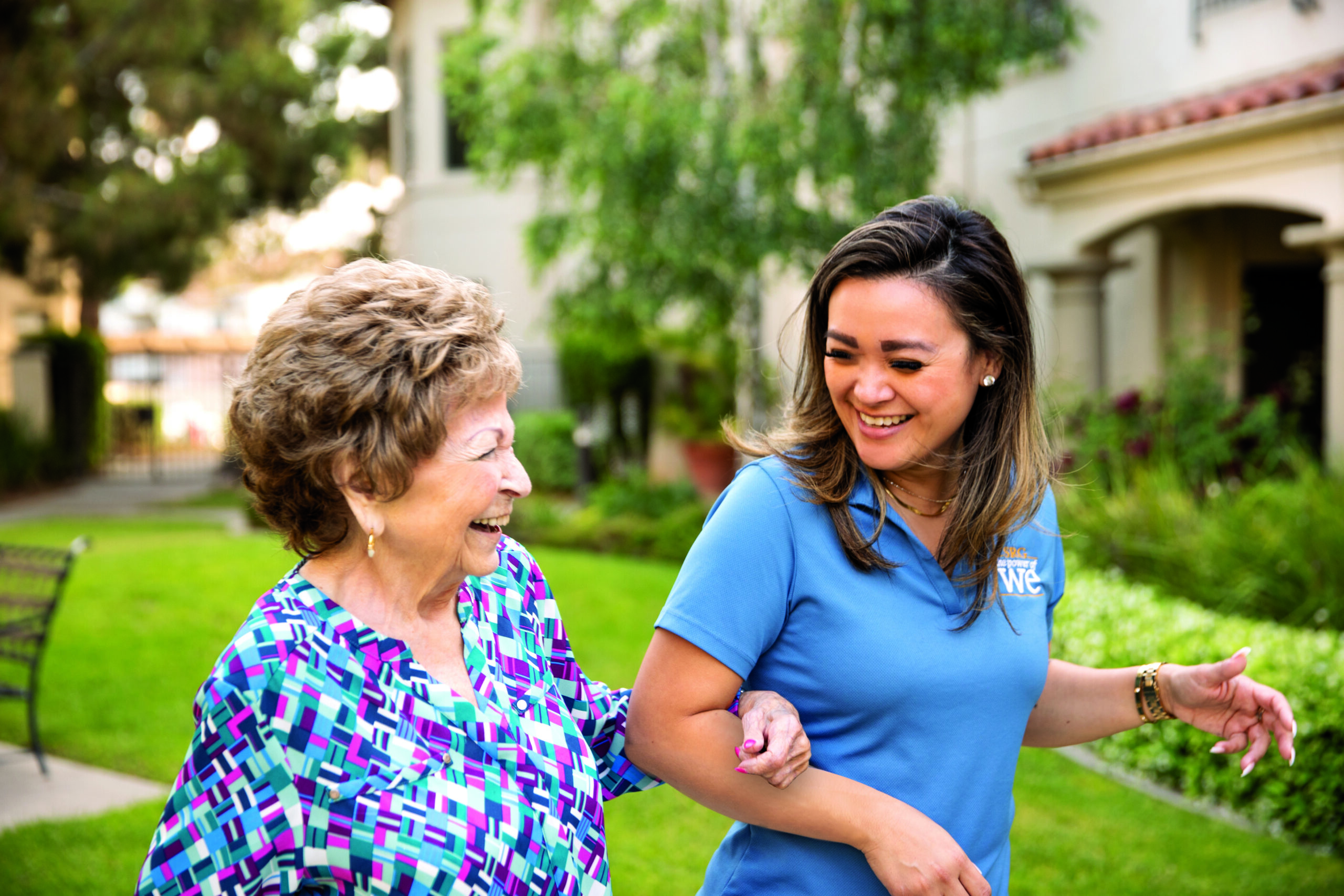
On the other hand, assisted living has the added benefit of basic staff support where needed. Assisted living staff may help residents with mobility-intensive tasks such as grooming or getting dressed, or minor medical needs such as taking medication on time.
However, the resident should still be able to maintain their own lifestyle with limited care. Such communities typically offer a wide selection of activities and amenities tailored to slightly more limited mobility.
Beyond the Basics: Living Your Best Life at Every Level
Residents in assisted and independent living communities spend their time much the same way they would have before moving in, minus the daily maintenance chores of a typical home or apartment. Rather than dealing with menial tasks like cleaning, lawn care, or repairs, seniors spend their time relaxing, engaging in hobbies, or being active in the community. It’s like living in an all-inclusive resort, complete with resort-style amenities such as chef-led dining, fitness classes, and entertainment.
For those in assisted living, these amenities may be tailored to more limited mobility or greater care needs, but community life is just as vibrant. For example, fitness classes may include seated alternatives or less-intensive exercises like stretching. They’re geared toward maintaining mobility rather than building muscle. The experience is no less luxurious; it just comes with the additional assistance residents may need to feel their best.
Many communities also offer both independent and assisted living choices, allowing seniors to age in place without having to retransition as their mobility or medical needs increase. This helps provide peace of mind and foster stronger community connections.
Support That Empowers: How Assisted Living Enhances Independence
Some seniors may worry that needing assisted living means they’re no longer independent. But assisted living services are actually designed to support independence.
Support staff isn’t there to confine residents to their beds. They provide care and support only where it’s needed. Some common ways assisted living staff support residents include dressing, grooming, and medication management. These tasks can become more difficult with age due to reduced range of motion or difficulty holding the arms up for extended periods.
Still, these limitations don’t prevent seniors from living rich, full, active lives with proper support. By providing assistance with basic tasks, assisted living communities give seniors the freedom to flourish. With so many tasks taken care of for you, you can reserve that energy for visiting with other residents, attending a fitness class, or engaging in a beloved hobby.
Successful senior health requires a balance of mind, body, and soul. Assisted living staff help support your body so you can focus on maintaining your mind and soul through community and activities.
The Luxury of Maintenance: Free Living in Independent Residences
Independent living is ideal for seniors who want to free up their time to do what they wish. Seniors in independent living communities don’t have to worry about the never-ending to-do list of homeownership.
There’s no need to mow the lawn or repair a pesky dripping faucet. Community staff manages maintenance so residents can focus on living their lives.
Is It Time for a Change? Key Questions To Help You Decide
If you’re trying to decide if it’s time to join an independent living vs. assisted living community, there are a few key things that can help you make the right decision.
What, if anything, would I change about my current lifestyle?
If there’s nothing in your current lifestyle you would change, you might not be ready for a senior community. But if you’re tired of the daily drudgery of home maintenance, if you’re looking for a stronger community connection, or you want access to a more active lifestyle and amenities, senior living might be right for you.
What are my social and community needs?
One of the less-addressed issues with aging is isolation. As you age, friends and family may become less accessible due to mobility issues, distance, or health concerns. Relocating to independent or assisted senior residences brings the community to you.
In independent living communities, residents attend meals or activities with their neighbors, building friendships that are steps away rather than miles. Assisted living also provides the mobility support some seniors need, ensuring they can access dining, entertainment, or special events alongside their peers. This eliminates one of the biggest barriers to connection that many seniors face.
Do I have any concerns about my physical safety at home?
One of the top reasons seniors decide to transition to a senior community is a concern for physical safety. This is especially true of seniors living alone who worry that a fall or medical event could go unnoticed.
If you have any concerns that your current living situation might negatively impact your physical safety, it might be time to look into independent or assisted living. If you want or need additional mobility assistance with balance-based tasks like dressing, toileting, or walking long distances, assisted living can offer that support.
Are there any medical needs that might be better managed by dedicated care staff?
For seniors who are starting to struggle with medication management, mobility, or basic daily tasks, assisted living can provide the personalized support you need. However, if you don’t need medical assistance or you’re able to manage your own medications and medical needs, you can still get a lot out of independent living.
Many communities offer smooth transitions between independent and assisted living, so seniors may choose to enter the community while they’re still active to build connections early. Then, as care transitions, they’ve already built a relationship with their neighbors they can rely on to keep them active and engaged.
What are my daily energy levels, and how do they affect my lifestyle?
As we age, our energy wanes. Even active seniors may find it harder to be as mobile as they once were. When tasks like home maintenance or basic self-care start to eat up that energy, it can be harder to do the things you enjoy like socializing or exercising.
Independent living offers a maintenance-free way to reclaim that energy. Assisted living takes that even further. Senior residences provide the support you need so you can spend your energy on the things you want to do.
Finding Your Perfect Fit With Senior Resource Group
If you’re ready for the maintenance-free lifestyle and luxury amenities independent living or assisted living can offer, Senior Resource Group can help you find the community for you. Contact us to learn more about our CARF-accredited communities for active seniors.